How Are Tins Rated?
A definitive methodology
How do tins fare when we compare?
Naturally, the world of tinned seafood encompasses a veritable variety of every esculent inhabitant of the ocean. From the sea bass to the sardine and the octopus to the oyster, how might one rank and curate the qualities of these succulent aquatic creatures? It is certainly not a simple task but it is one that I have taken upon myself to perform. While a mussel and a mackerel are different beasts, there are shared qualities due to the nature of their mutual methods of preservation.
My rating methodology borrows the 100 point system from the wine world but improves upon it. Wine ratings nonsensically use only the top 50 points on the scale (50-100). I use the full scale. The scale has 100 points and I say use them all.
The tins are rated in five different categories:
- Packaging and presentation
- Cost/Value and availability
- Preserving oil
- Body and texture
- Taste and flavour
Each category is assigned a total possible score of 20 points. These are added to acheive 100 points; a perfect score.
Oily Tips
Oils oils oils oils, oi oi oi
Oil extraction matters tremendously. Most oils are highly processed unless otherwise stated. This is not inherently bad. These oils are very neutral allowing the fish to shine through. However, if you prefer a more natural oil, look for “Cold Pressed” or in the case of olive oil, look for extra virgin olive oil. This does however retain some oil flavour which many people enjoy, though it can sometimes overpower the seafood.
Olive oil is prized for its flavour and quality. It is often used in good quality fish from the mediterranean. Keep in mind olive oil, virgin olive oil and extra virgin olive oil are different.
Sunflower oil is cheap but also provides a more neutral tasting oil in comparison to olive.
Rapeseed oil is not to be confused with Canola oil. While all canola is rapeseed, not all rapeseed is canola. Traditionally used in northern europe.
Canola oil is a modified rapeseed plant variety designed and processed to provide a completely neutral taste.
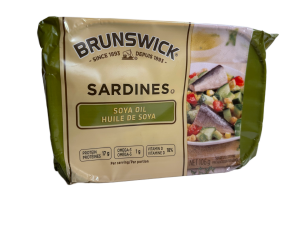
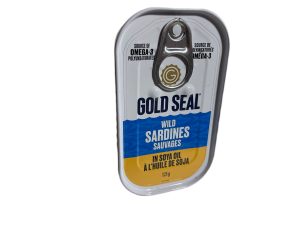
Soya oil is another cheap and processed oil with a neutral flavour.
Water is to be avoided. It leads to a dry fish. Even if the tin indicates a preserving oil, cheap tins dilute it with water. Keep an eye on added ingredients.