Pilchard Sardine
Sardines in Oil - Gold Seal
76pts
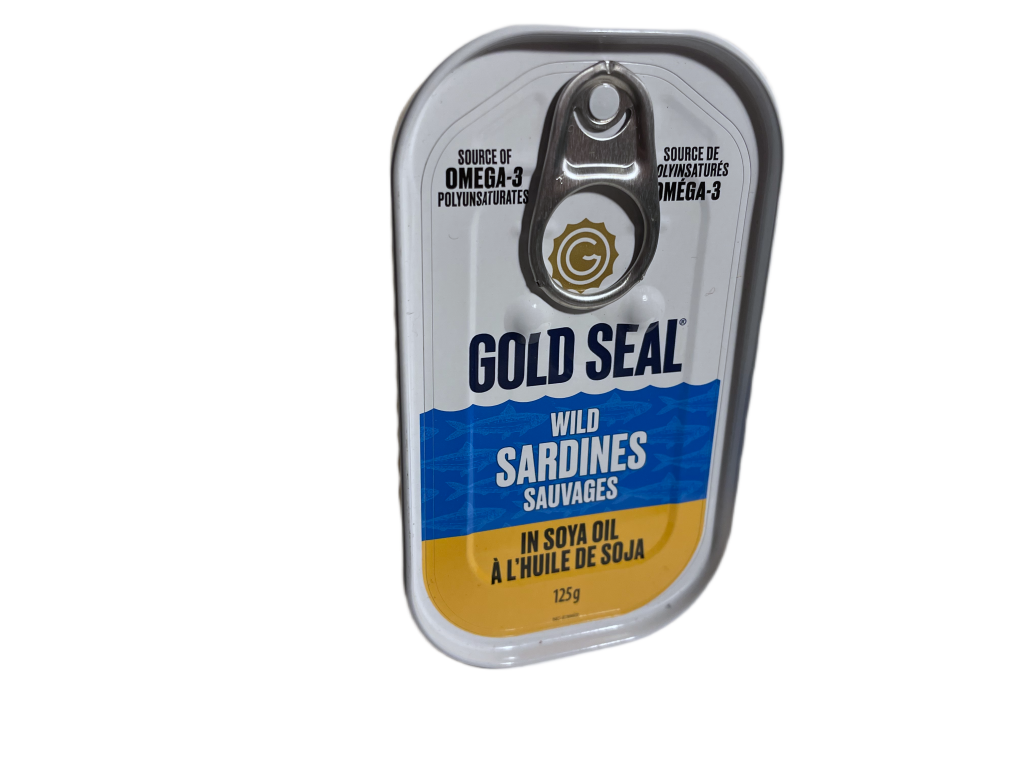
Tin Bio
- Species: Sardine
- Preserving Oil: Soya/Water
- Cost (CAD): $1.50
- Added Ingredients: Salt, Water
- Country or Sea of Source: Thailand
- Conservas/Cannery: Unknown
- Distribution Company: Gold Seal
- Country of Company: Canada
24th of June 1812, La Grande Armée crosses into Russia on it’s march towards Moscow. Due to Russia’s scorched earth policy, the approaching winter, and an overstretched supply route, French rations dwindled. Many soldiers perished from hunger. Despite awarding 12,000 francs to the inventor of the canning method just two years earlier, canned rations were not part of the invasion force. Their weight and the delicate nature due to being preserved in glass jars meant they were cumbersome. However, had Gold Seal sold sardines, to the now struggling soldiers, no doubt Russia would be speaking French today. Conversion rates are difficult through history, but one franc in 1812 could have purchase enough tins to provide two men with their daily meat rations. Indeed, had Charles XII a century earlier, or Hitler a century later had access to this ideal sardine, the Russians would be a veritable multicultural powerhouse. We seem due for another invasion in the next few years so if any high level general is reading this, take notes from history or you are doomed to come to a fishy end.
On paper (or in this case aluminum), this tin of sardines does not look promising. It is sourced from a cheap market by a western company, they cut the low-cost soya oil with even lower-cost water, and the price tag is about a dollar fifty. Despite these shortcomings, Gold Seal punches well above its 125g weight swimming from the overcrowded seas of by-catch in a tin, to the open oceans of tasty mid-tier seafood treats. Ultimately, the shockingly economical price tag along with a pleasant tasting fish leads to this tin scoring so high.